
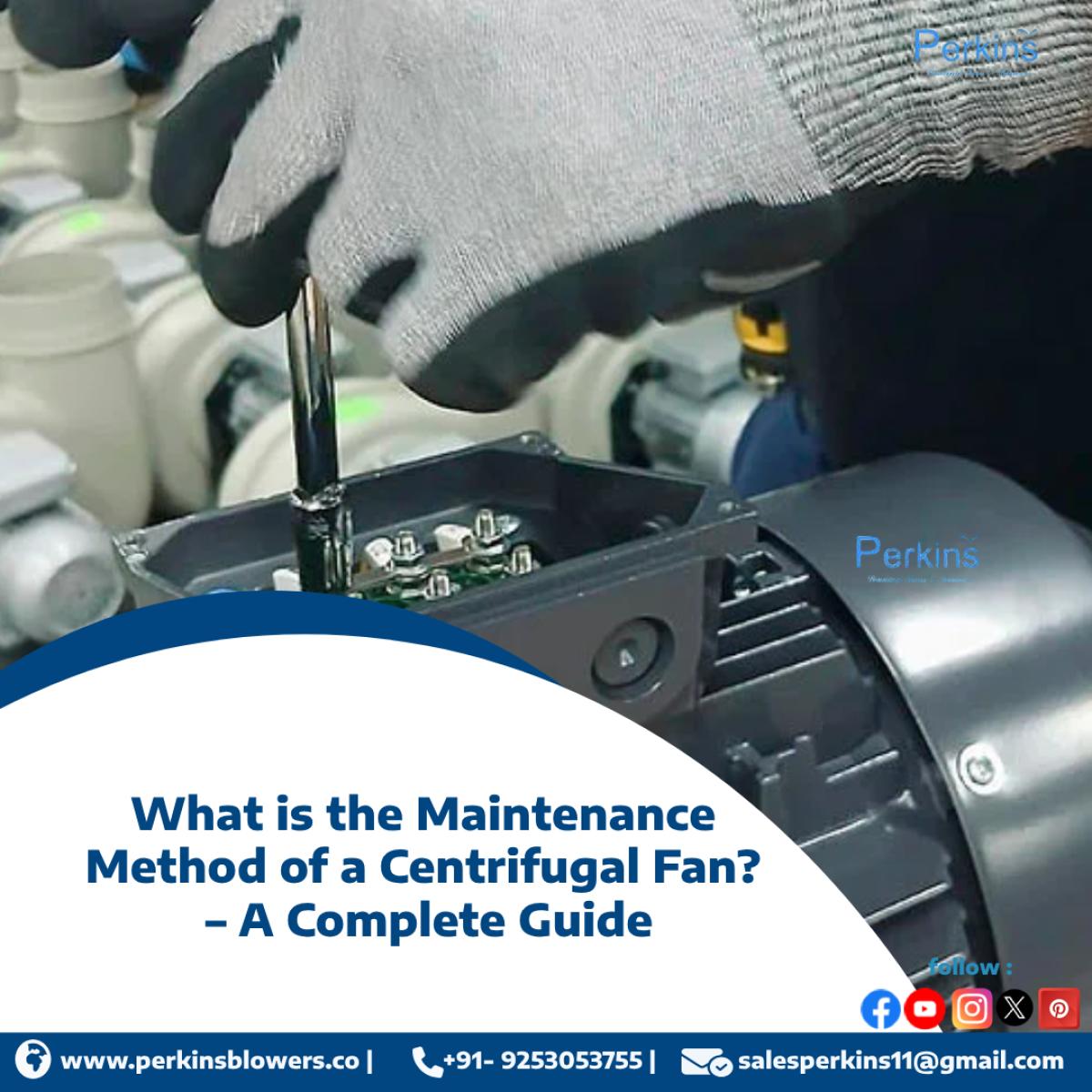
Centrifugal fans are critical components in various industrial systems, providing reliable airflow for ventilation, dust collection, cooling, and more. To ensure they operate efficiently and last for years, regular maintenance is essential. Proper upkeep not only reduces unexpected breakdowns but also improves energy efficiency and performance. In this blog, we’ll explore the most effective maintenance methods of a centrifugal fan to help you keep your system running smoothly.
Why is Centrifugal Fan Maintenance Important?
Centrifugal fans handle high volumes of air under continuous operation. Over time, dust, vibrations, and wear can affect their efficiency and safety. Maintenance helps in:
-
Preventing unplanned downtime
-
Extending the fan’s service life
-
Reducing repair costs
-
Ensuring consistent airflow and pressure
-
Improving energy efficiency
Key Maintenance Methods for Centrifugal Fans
Here are the main maintenance practices you should follow:
1. Routine Inspection
Conduct regular visual and functional inspections to detect early signs of wear, corrosion, or misalignment. Inspect:
-
Fan housing and blades for cracks or deformation
-
Mounting bolts and structural supports
-
Drive components (belts, pulleys, couplings)
-
Electrical connections and motor condition
Frequency: Weekly or bi-weekly
2. Lubrication of Bearings
Bearings are crucial to the smooth operation of a centrifugal fan. Over time, the lubricant may degrade or become contaminated. Regular greasing prevents overheating and wear.
-
Use the manufacturer-recommended grease
-
Do not over-lubricate
-
Replace sealed bearings when needed
Frequency: Monthly or as per the OEM’s guidelines
3. Cleaning of Fan Components
Dust, dirt, and other particles can accumulate on the impeller, blades, and inside the casing, reducing performance and increasing vibration.
-
Clean blades and housing using a brush or air compressor
-
Remove any blockages from air inlets and outlets
-
Ensure that the fan operates without unusual noise or resistance
Frequency: Every 2–3 months or based on the working environment
4. Belt and Pulley Maintenance
For belt-driven fans, regular inspection of belts and pulleys is crucial. Misalignment or wear can lead to reduced efficiency and damage.
-
Check belt tension and alignment
-
Replace worn or frayed belts
-
Ensure pulleys are aligned and in good condition
Frequency: Monthly
5. Check for Vibration and Imbalance
Excessive vibration is a sign of fan imbalance or loose components. If left unchecked, it can damage bearings and the fan structure.
-
Use a vibration analyzer to measure levels
-
Rebalance the fan blades if necessary
-
Tighten any loose bolts or mounts
Frequency: Every 3–6 months
6. Inspect Electrical Components
Ensure that the motor, wiring, and control panel are in proper working order.
-
Check motor insulation and terminal connections
-
Monitor voltage and amperage readings
-
Clean dust from electrical enclosures
Frequency: Monthly
7. Record Keeping
Maintain a detailed log of all maintenance activities. This helps in identifying patterns, predicting failures, and scheduling preventive maintenance.
Include:
-
Date of service
-
Components checked or replaced
-
Observed issues and corrective actions
Tips for Efficient Centrifugal Fan Maintenance
-
Always follow the manufacturer’s maintenance manual
-
Shut down and lock out the fan before maintenance
-
Use proper tools and safety gear
-
Replace damaged components with genuine parts
-
Train maintenance personnel on fan operation and safety
Conclusion
Regular and preventive maintenance of centrifugal fans is essential for achieving long-term reliability and performance. By following a structured maintenance routine—ranging from cleaning and lubrication to checking belts and electrical systems—you can avoid costly repairs and downtime.
If you're using industrial fans from a trusted brand like Perkins Blowers, you're already off to a great start. But even the best fans require regular care. Follow these best practices to ensure your centrifugal fan operates efficiently and delivers consistent performance for years to come.